
Paralume & Misure. Le forme più comuni sono sei: cinese, tamburo, impero, pagoda, ovale e quadrato. E’ importante trovare la giusta dimensione del paralume. Generalmente, le misure indicate sono: sommità x fondo x altezza sulla diagonale verticale. Più alta è la base della lampada, più largo sarà il paralume. L’altezza è il fattore più significativo nella scelta del paralume; infatti, esso dovrà coprire non soltanto il bulbo e l’attacco della lampadina ma anche essere proporzionato alla base della lampada. L’altra misura determinante è la larghezza: è indispensabile lasciare una distanza di almeno 3-4 centimetri tra il bulbo e il paralume, specialmente per le lampadine ad alto voltaggio, nonché assicurarsi che l’apertura superiore di sfogo del calore sia abbastanza ampia.
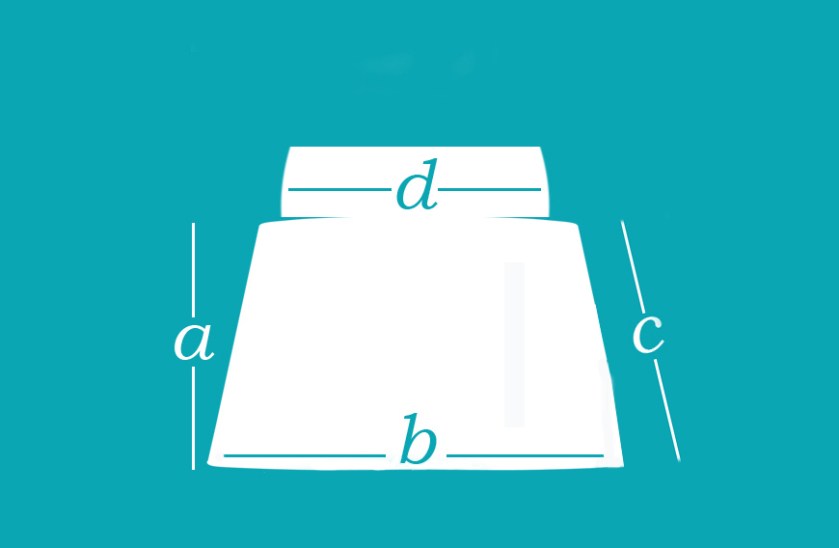
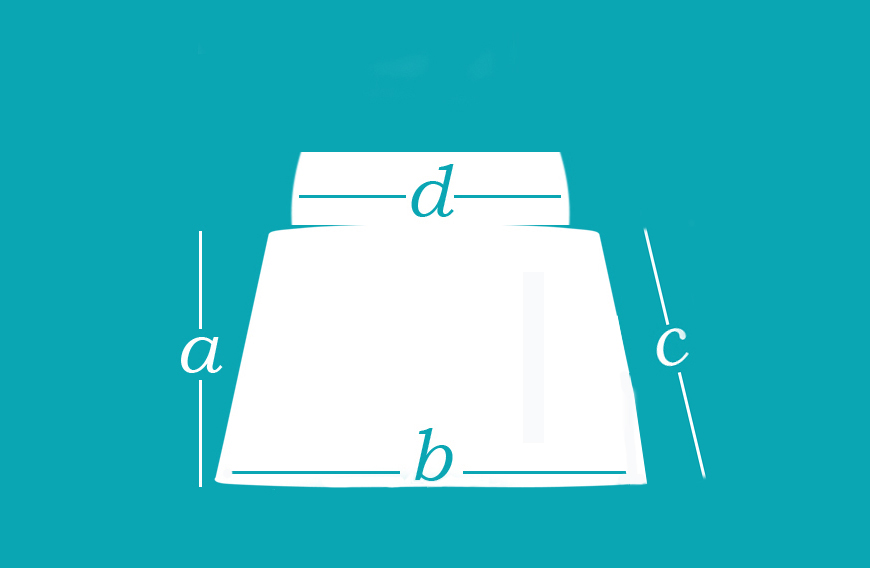
a) altezza verticale; b) larghezza inferiore; c) diagonale verticale; d) diametro superiore.
La dimensione/larghezza inferiore del paralume (b) dovrebbe essere simile o uguale all’altezza della base della lampada (c).
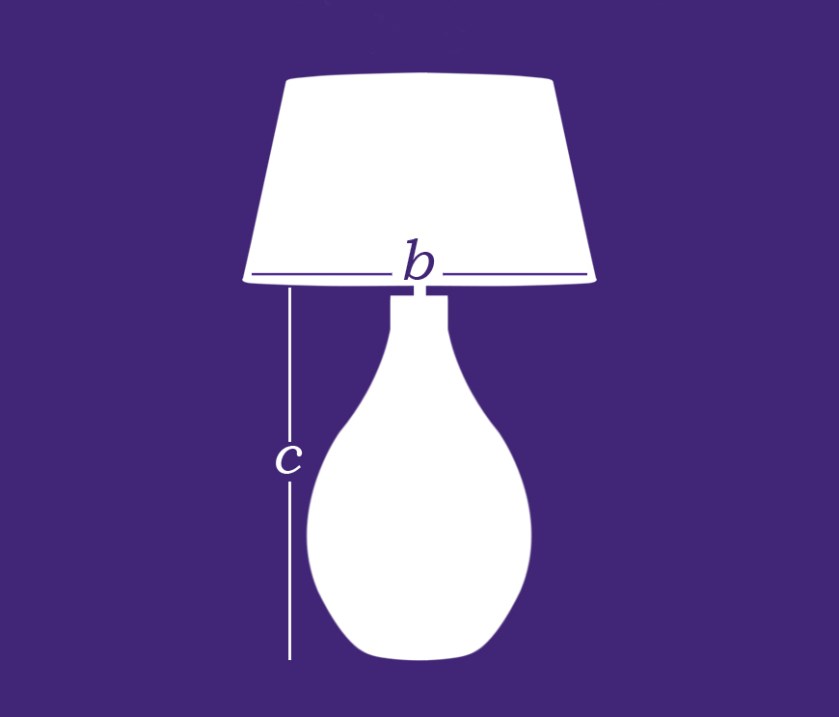
L’altezza verticale del paralume (a) dovrebbe essere circa due-terzi della dimensione/altezza della base della lampada (c).

La dimensione/larghezza inferiore del paralume (b) dovrebbe essere di circa un-terzo fino al 50% più larga della parte più ampia della sua base (d).

(Fonti: grazie a Google per le immagini)


 TopoloD3xter
Devi effettuare l'accesso per postare un commento.