Follow my pawprints, hold on my smile, laugh at my jokes, walk by my side, find me where my soul flourishes, come closer to my heart, look into my dream every single day!
Autore: sidilbradipo1
Anche un bradipo può scendere dal suo albero, se adulato!
Chi va piano va... sempre piano, ma almeno non ruzzola! (brad-ipse dixit)
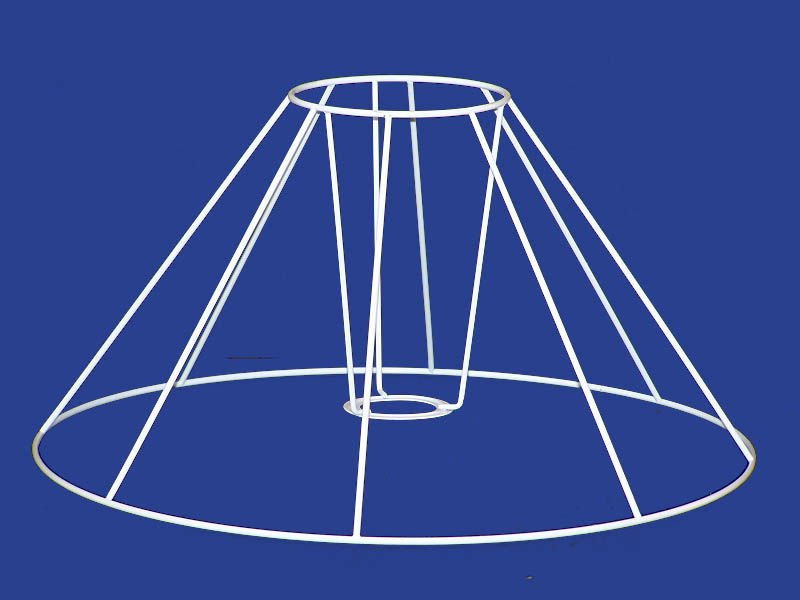
An entity of interior design that develops and turns a space into an effective conceptual project and enters significantly in relation with its form: the lampshade.
Telaio Cilindro – Drum Frame
The frame is the backbone of the lampshade, the efficient adaptation to its modern function. It is composed by a set of elements making up the skeleton of a rigid supporting structure with which some parts of less resistance are connected.
Telaio Pagoda Quadra – Square Bell Frame
A lampshade has a metal structure with two or more orders of straight wire supports holding up the upper and the lower edges; the frame has a central socket to attach the light bulb and is made of a metallic wire, galvanized or covered with plastic, usually painted white to prevent oxidation and rust.
Telaio Cinese – Round Chinese Coolie Frame
The lamp saddle and socket can have different sizes: the small E14 or the large E27 wire fitting, eventually with a reducer or an adapter ( i.e. a white plastic ring, or a converter plug, that goes between the socket and the bulb), permanently attached to the shade which is directly installed to the lamp socket (EC European or BC British fitting system).
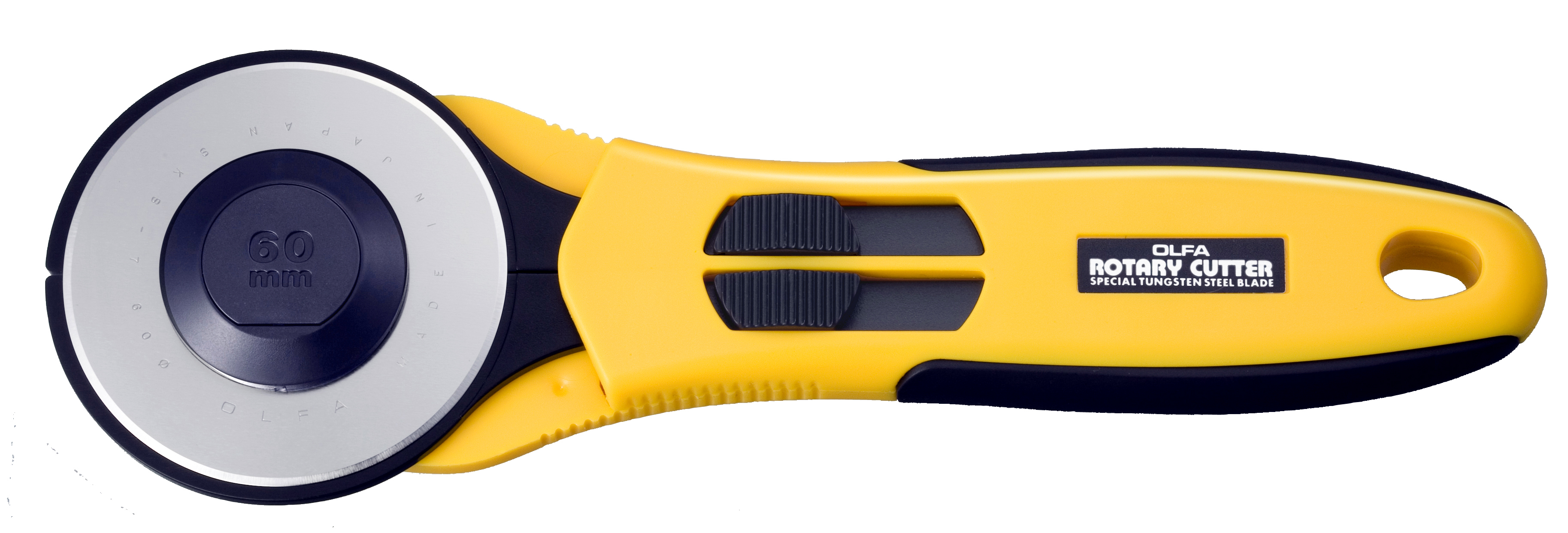
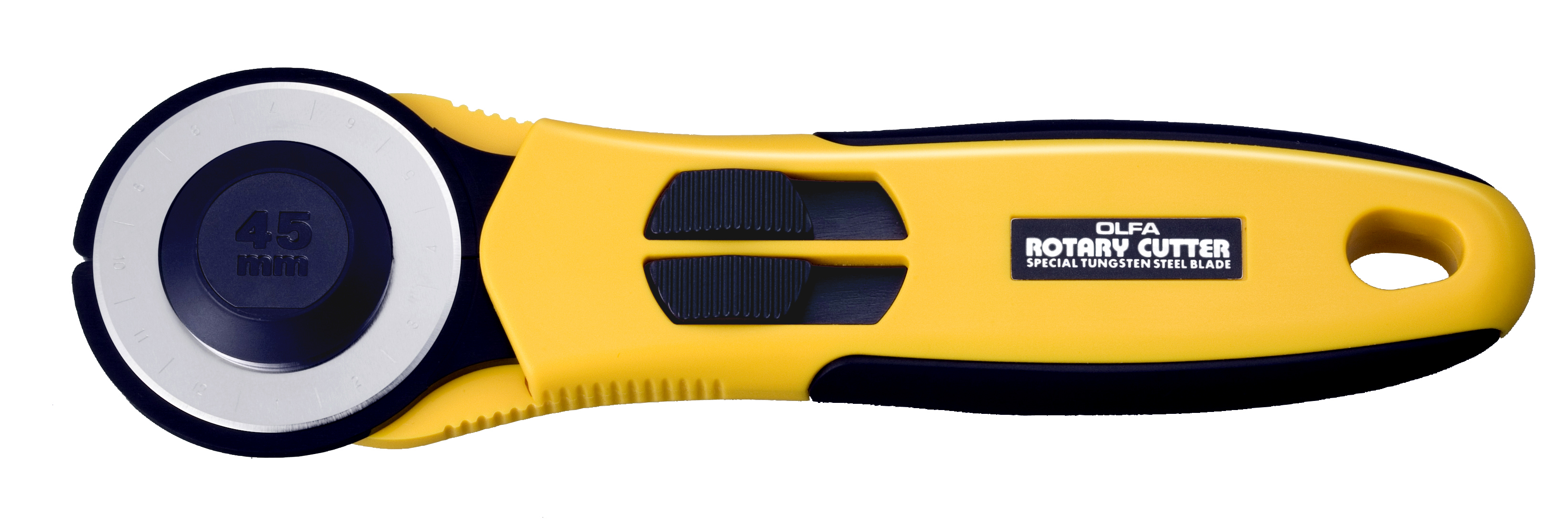
A rotary cutter is a tool used to cut fabric and mainly composed by three parts: a circular rotating blade, an ergonomic handle and an open/shut safety latch.
A rotary cutter combines the high-cutting efficiency and balance technology of the needlework scissors with the unique manufacturing process to the functional need to cut contemporaneously out multiple layers of light-or heavyweight fabric materials to straight lines, as well as curves, into shapes and pieces for craft projects. Quilting and patchwork become easier and time-saving, as it avoids working exhausting up to mark and cut single fabric patches every time and speeds certainly up the quilt assembly.
The Olfa Company introduced the first rotary cutter in 1979 for garment making. It was handy in place of scissors and quickly adopted by quilters who began the patchwork-revolution!
The blade. Circular and rolling, sharp and precise, swift and all-purpose: there is a blade to suit every need. The blade is made of high-quality carbide coated tungsten steel or titanium for an unparalleled sharpness; as well as it is double-honed for extra cutting capacity and durability.
It is available in several different sizes and diameters, from mm. 18 to mm. 60. Usually the larger the blade the easier is to slice through the fabric’s layers. More than a single rotary cutter will be necessary for some tasks than others. To cut out smoothly and easily through multi-layers, the blade mm. 60 in diameter is perfect and exact. Versatile and accurate for quilting, sewing and craft projects, the basic blade mm. 45 creates a safe and comfortable cut. As well, the small blade mm. 18 is a good solution to cut around sharp curves.
The template. It is important to draw the template, in order to cut the fabric in the right measures. First of all I take a large piece of thin paper, or pattern paper, (or more paper sheets joined together with adhesive tape) and a soft pencil. Then I lay the shade (already provided for its polystyrene panels) on it and, from the vertical rear seam, I begin to roll the shade and to trace around the rims on all sides to the starting point. With a ruler I extend the sides of each line out 2-3 cm. and trace a further edge in all directions the lines were heading. Finally, I cut the template out of the piece of paper with scissors or a craft cutter. Now the template is ready.
Preparing the fabric. To select the right fabric to cover my shade, in addition to considering colour and design, I have to consider its transparency as well as the amount of heat my lamp expels because I do not want my chosen material to melt. That’s why I read the fabric label carefully to determine its heat sensitivity. Afterwards I wash and iron the fabric perfectly. I lay the template on the wrong fabric side and I trace it with a soft pencil.
Checking up fabric design. The above mentioned template process, although laborious, helps me to understand everytime if the fabric design is suitable for my lampshade. The correct fabric position is important: the design must be in evidence, both on the front and on the rear shape side; it should not be cut out badly on the edges and pretty harmonious! On the contrary, I can always remove the fabric and take it on again, or even replace it, in order to get a first-rate colour-rich canvas.
Cutting the fabric. I place the template on the wrong side of my fabric and trace all cutting lines with a soft pencil. I cut the fabric out carefully. The new cover is now ready to be glued to the shade.
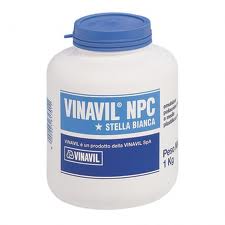
The vinyl glue is one of the most used adhesives, often known by its trade name Vinavil, but there are several brands and manufacturers on the market. The most commonly used vinyl synthetic resin is polyvinyl acetate (PVAc) in an aqueous emulsion, which has a variety of use in industries, in art and hobby, in handcrafted works, in book-binding and book arts, due to its flexible strong bond and non-acidic nature, usually without need for primers. However, there are also the related polymer polyvinyl alcohol (PVA) adhesives diluted in solvent solutions. Polyvinyl acetate belongs to the polyvinyl esters family and is a type of thermoplastic; these glue types are also referred to as wood glue, white and school glue, or carpenters glue and so on. The vinyl glue looks like a white liquid, milky, with a characteristic slightly acidulous smell, and remains consistent in its quality to conform specific standards. The advantages are low price and toxicity, simple use, and good sticking efficiency. The main disadvantage is the average long drying up time.
Colla Vinavil NPC (www.vinavil.com)
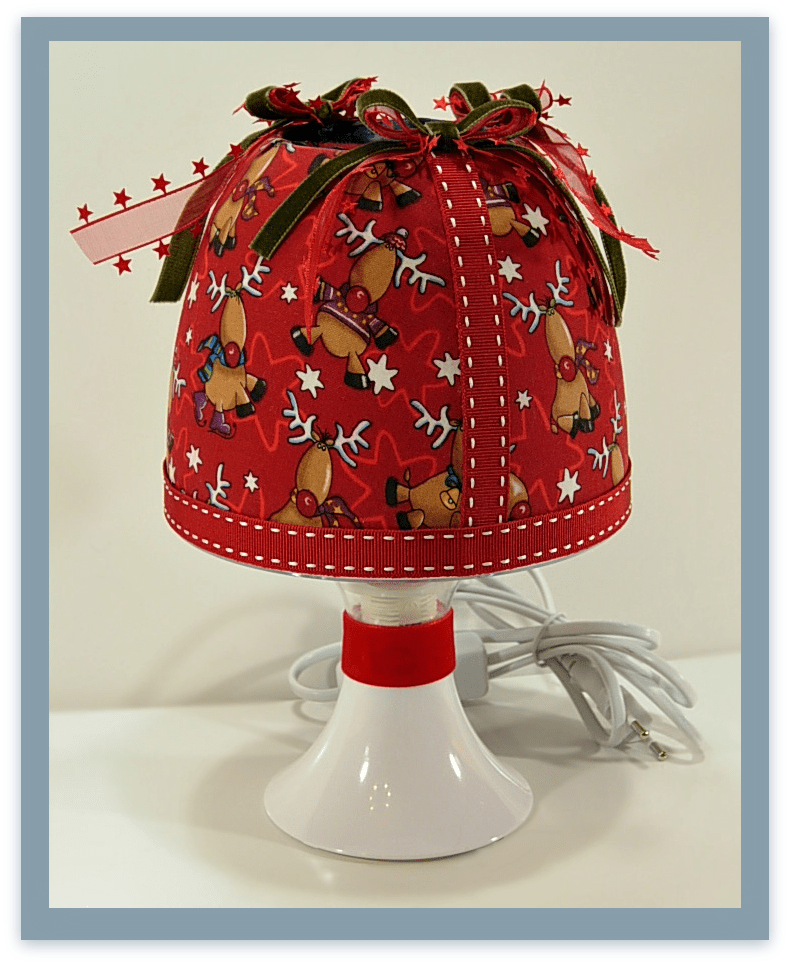
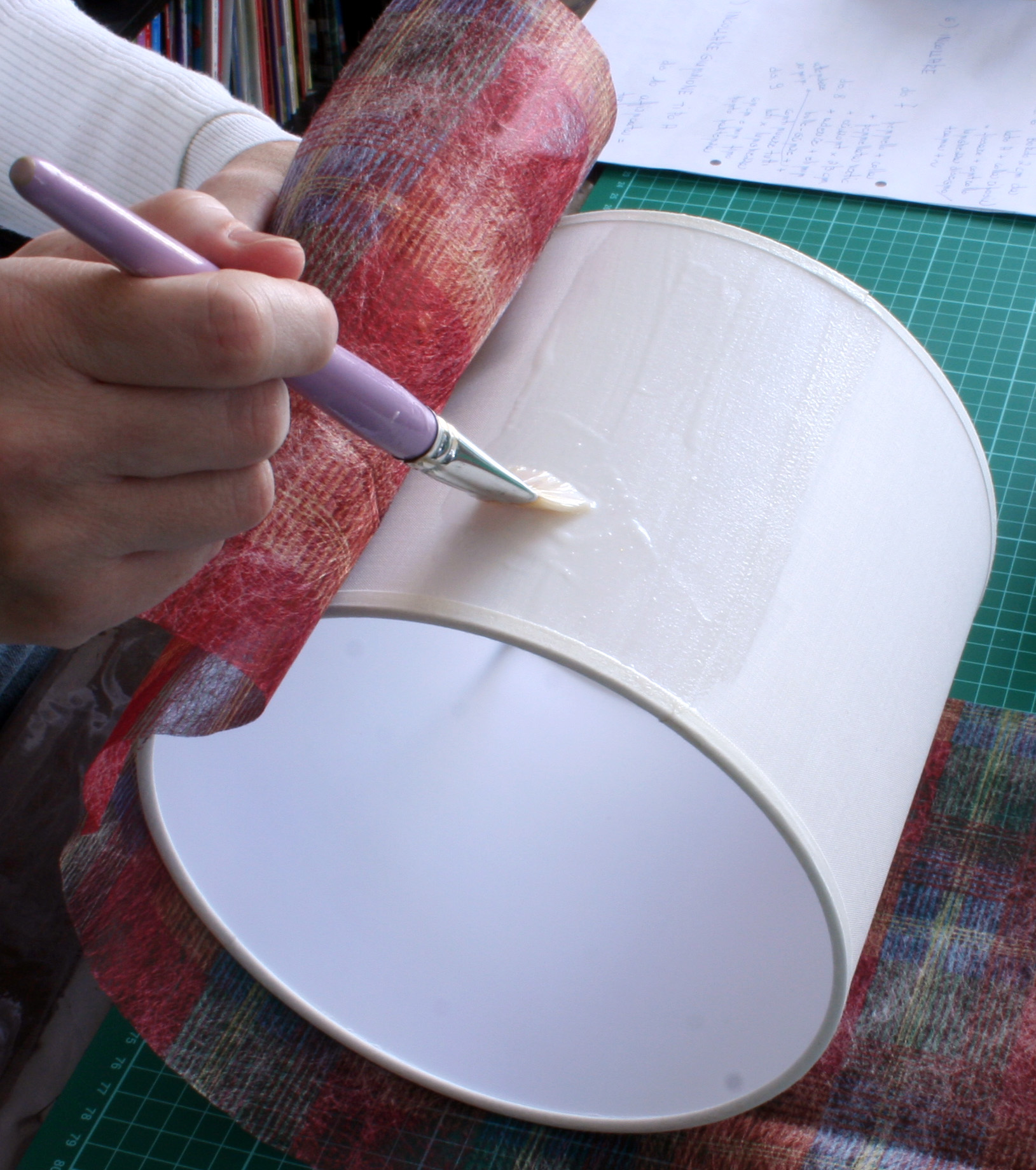
I use the vinyl glue to bond the fabric (linen, cotton or silk, gobelin and batiste) to the polystyrene lampshade panel, as well as to the wooden or metal bases, diluted in water in the required amount according to the material resistance and porosity (well-finished or unrefined, smooth and waterproof, thick or thin). The usually needed percentage glue-water is in the ratio of 1 to 2. But it is necessary to test the materials’ characteristics, to adjust the water measure. Thanks to the decoupage technique, I also paste art-paper, decorative cardboard, silk or soft-paper, tissue and vellum paper, Japanese washi-paper to lampshades and bases. When the glue is dry, it gets an elastic consistency and is transparent, smooth to the touch: so it can easily stick and protect all decorative elements.
If the material is porous, or fine and delicate, I apply a thin glue coat with a flat brush; on the contrary, I apply on the surface a good glue coat if the support is particularly porous. To hold the fabric, or paper, I use one or more plastic binder clips.
Once the gluing process is over, the finished shade has to rest for up 12 hours, to allow the adhesive the ability to completely bond. The best tips for gluing vinyl include adequately cleaning the project area, working in small sections at a time, and following proper safety precautions; such as, wearing gloves while working with vinyl adhesives to stick silk-fabric and delicate art-paper. A clean area provides an easier surface for the glue to attach to, as well as a longer hold between two different materials. I avoid not properly aligned edges and air balls beneath the surface of fabric, or paper, by working in small sections; as well, I clean immediately dripping glue with a damp cloth.
Beautiful japanese 100% cotton fabric and Kokeshi soft-paper dolls and small tree. What an idea for a unique birthday gift: to decorate a 30×40 cm. canvas with the decoupage technique. First of all I need a soft pencil to design the template on the canvas front side, the scissors to cut out my fabric symmetrically and vinyl glue (or special fabric-glue). Also a flat brush to spread an adequate glue measure on to paste the ten fabric pieces, my fingers to hold and press the fabric down while it dries. Then I use a satin water-based varnish gel to create a protective finishing. I apply a thin uniform coat with a specific smooth flat brush and let dry for at least six hours. I repeat twice, or three times. Finally, I paste the japanese Kokeshi soft-paper dolls and small tree to the copper lamina and cut them out carefully. I glue them with hot-melt adhesive by a hot-glue gun directly to my fabric. To embellish I choose a white wooden frame.
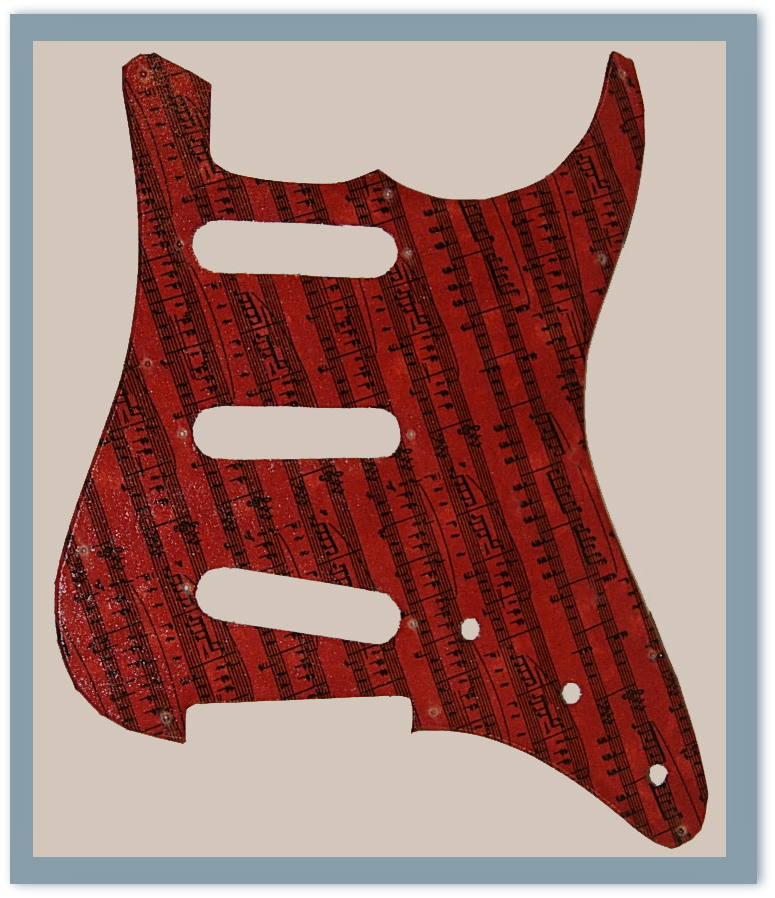
A pickguard is usually a piece of plastic, or other laminated material, fixed with some screws on the guitar’s body under the strings, or raised on adjustable metal support brackets close to them. Its main practical purpose is to protect the guitar’s surface, but it may also have a merely decorative use, as well as be a piece of memorabilia.
Fender-style pickguards are mainly fitted on solid-bodied electric Stratocaster and Telecaster guitars and often cover a large area of the front top surface. Most of their electronic components, such as pickups, potentiometers, switches and wiring, are mounted on, or behind, the pickguards. As a matter of fact, this design simplifies repairs and spare parts change.
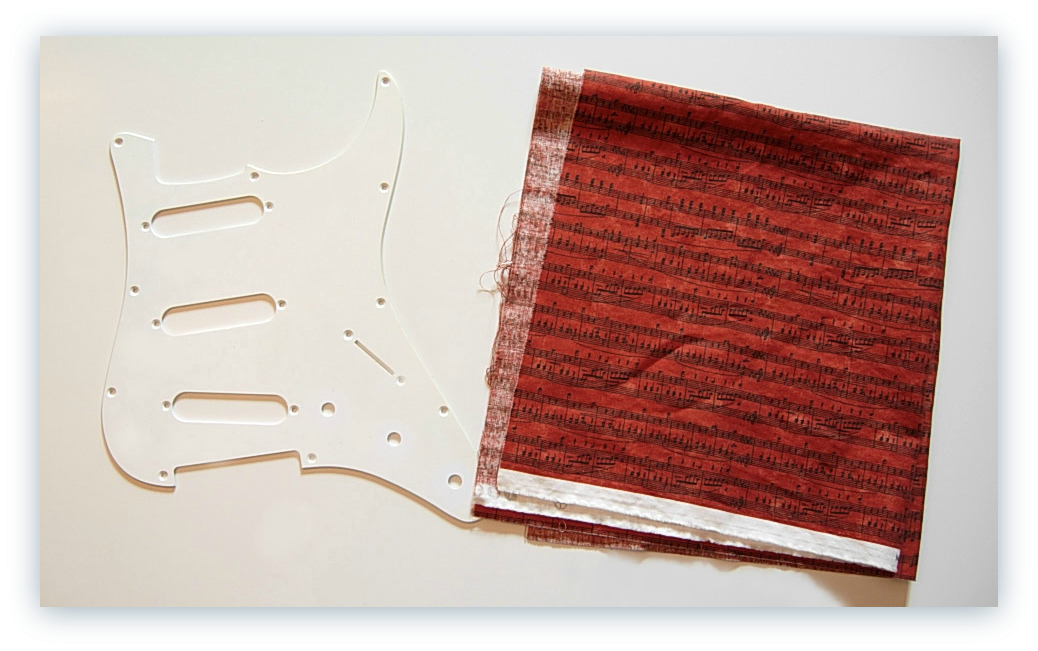
1° Step : Pickguard & Fabric.
2° Step : Material & Tools.
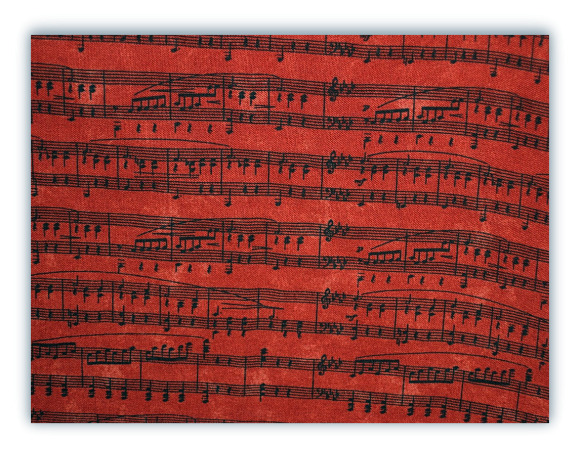
Of course, a Strat-pickguard and an adequate beautiful 100% cotton fabric. To custom and decorate my pickguard with the decoupage technique, first of all I need scissors to cut out my fabric, soft pencil to design the pickguard’s template on the fabric’s rear side and vinyl glue (or special fabric-glue). Also a flat brush to spread a fair glue measure on the pickguard to paste the chosen fabric, a few plastic or wooden binder clips to apply around the edges to hold the fabric down while the glue dries. Finally, I need a satin water-based varnish gel to create a protective, anti-scratch film with a good resistance to mechanical agents. I apply a thick and uniform coat with a specific flat smooth brush. Let it dry for at least four hours, and then I repeat twice or more times as to get a hard, solid and strong last finishing.
E’ facile realizzare un attrezzo speciale per creare meravigliosi fiocchi, gale e nastrini decorativi.
un blocchetto di legno (o una tavoletta) rettangolare – lunghezza da 10 a 15 cm.
4 perni in legno o metallo
un trapano elettrico (o a mano) da modellista
Lo spazio tra i perni determina la dimensione dei fiocchi. Con il trapano perforo il blocchetto di legno e pratico da 10 fino a 15 fori, ognuno a 1 cm. di distanza dall’altro. Inserisco i 4 perni (foto 1) alla giusta misura necessaria a creare gale e fiocchi perfetti.
It is easy to create a special tool to make wonderful frills and bows.
A rectangular woodblock (or a wooden board) – length 10 to 15 cm.
4 wooden or metal pins
An electric (or hand) drill
The distance between the pins determines the size of frills and bows. Drill and perforate the woodblock at every centimetre and make in 10 – 15 holes. Drive in the 4 pins (photo 1) at the right required distance to tie perfect frills and bows.
(Image: thanks to "Making & Dressing Doll's House Dolls" by Sue Atkinson)










 TopoloD3xter
Devi effettuare l'accesso per postare un commento.