Follow my pawprints, hold on my smile, laugh at my jokes, walk by my side, find me where my soul flourishes, come closer to my heart, look into my dream every single day!
Autore: sidilbradipo1
Anche un bradipo può scendere dal suo albero, se adulato!
Chi va piano va... sempre piano, ma almeno non ruzzola! (brad-ipse dixit)
Con lo spirito di una grande meraviglia, il gesto gentile d’Asabbri è da ammirare sul suo bellissimo blog – burabacio.it
“Sii gentile” è il mio nuovo progetto, a partire da oggi condividerò sul blog degli spunti di gentilezza. La gentilezza è un gesto rivoluzionario: fa sentire bene bene chi la fa e chi la riceve. La gentilezza è una scelta e una pratica. Non c’è nulla di sciocco o di debole in chi è gentile, anzi, mi sento di dire che sono persone che non hanno bisogno di una corazza di arroganza e maleducazione. Sono persone che hanno il coraggio di essere gentili con chi li circonda, con gli amici, coi familiari e con gli sconosciuti. La gentilezza però non si limita alle persone: si può praticare anche verso il pianeta, verso gli animali e verso i sogni. Spero che questi spunti possano farti sorridere e farti venire voglia di praticare la gentilezza, o se già lo fai, di proseguire con la consapevolezza che io sono con…
Ciano – /’tʃano/ sostantivo maschile [dal latino cyănus, dal greco kýanos, dall’inglese cyan]. Colore azzurro, blu-verde. – 1. – letter. fiordaliso, colore azzurro (latino scientifico Centaurea cyanus – [pianta erbacea delle composite, con grandi infiorescenze azzurre] – ). Come ’l cianseren tra ’l biondeggiante or de le spiche (Carducci).
2. – In botanica, cianopersico, altro nome dell’ambretta (Amberboa moschata, sinonimo Centaurea moschata).
3. – Per adattamento dell’inglese, cyan, colore blu-verde, è uno dei colori primari della sintesi cromatica sottrattiva, in particolare quello adoperato nella composizione degli inchiostri della stampa tipografica in quadricromia, insieme al magenta, al nero e al giallo (CMYK) e uno dei colori secondari additivi nella fotografia, negli schermi video e nel cinema. Sebbene entrambi siano chiamati cyan, essi sono sostanzialmente diversi: il motivo è che l’inchiostro non può riprodurre fedelmente sulla carta il 100% di blu e il 100% di verde; mentre nel mondo reale, le frequenze di un determinato colore sono influenzate dal modo in cui esse interagiscono con gli altri colori.
4. – Il ciano è uno dei colori dello spettro che l’uomo riesce a vedere, complementare del rosso: il suo pigmento assorbe la luce rossa.
5. – [davanti a vocale anche cian-]. Primo elemento compositivo, prefisso, in alcuni termini della chimica (gruppo cianogeno CN), della scienza e della letteratura il cui significato è azzurro.
6. – Sostantivo femminile, invariato: forma abbreviata di bozza cianografica.
(Fonts: grazie a Google, Wikipedia, Enciclopedia Treccani per le definizioni e i testi)
October is Breast Cancer Awareness Month, which is an annual campaign to increase awareness of the disease. While most people are aware of breast cancer, many forget to take the steps to have a plan to detect the disease in its early stages and encourage others to do the same. We have made a lot of progress but have a long way to go and need your help!
The summer wind came blowin’ in from across the sea It lingered there, to touch your hair and walk with me All summer long we sang a song and then we strolled that golden sand Two sweethearts and the summer wind
Like painted kites, those days and nights they went flyin’ by The world was new beneath a blue umbrella sky Then softer than a piper man, one day it called to you I lost you, I lost you to the summer wind
The autumn wind, and the winter winds they have come and gone And still the days, those lonely days, they go on and on And guess who sighs his lullabies through nights that never end My fickle friend, the summer wind The summer wind Warm summer wind
The word lamp usually refers to free-standing or portable light fittings, such as the table or desk lamps. A lamp is a light source, what is typically called the light bulb. Since the earliest times, it was very important to find efficient systems to carry light sources.
From prehistoric age torches to Greek and Roman olive oil-lanterns, to paraffin-lamps in the Middle East, these objects were made of clay, bronze, brass, iron, ceramic, etc. Shades or shields were invented to direct the light or to protect it from rain and wind. They were made of metal, glass and vegetable fibres.
Ancient Roman Lantern
Ancient Lighting Systems
Throughout the centuries these light fixtures evolved.
Before the widespread use of electricity, until the 19th century, especially in Northern Europe, candles (wax, tallow or other animal and vegetable fats) were very common. The chandeliers and sticks had a wooden or metal structure with one or more orders of circular supports holding up the candles. The candelabra were usually branched, symmetrically or radially arranged.
Ancient Persian Lantern & Lamp
Fish Oil Lantern
The first lamps with metal structure appeared in the 14th century and could be portable or fixed. Between the 15th and 16th century lamps took many shapes. They illuminated churches and mansions. In the 17th and 18th century swinging lamps were richly decorated, chiselled and elegantly adorned with glass, semi-precious stones, porcelain and could also be of noble metal. As well, table lamps had metal or wooden bases with refined fabric or delicately stained glass shades.
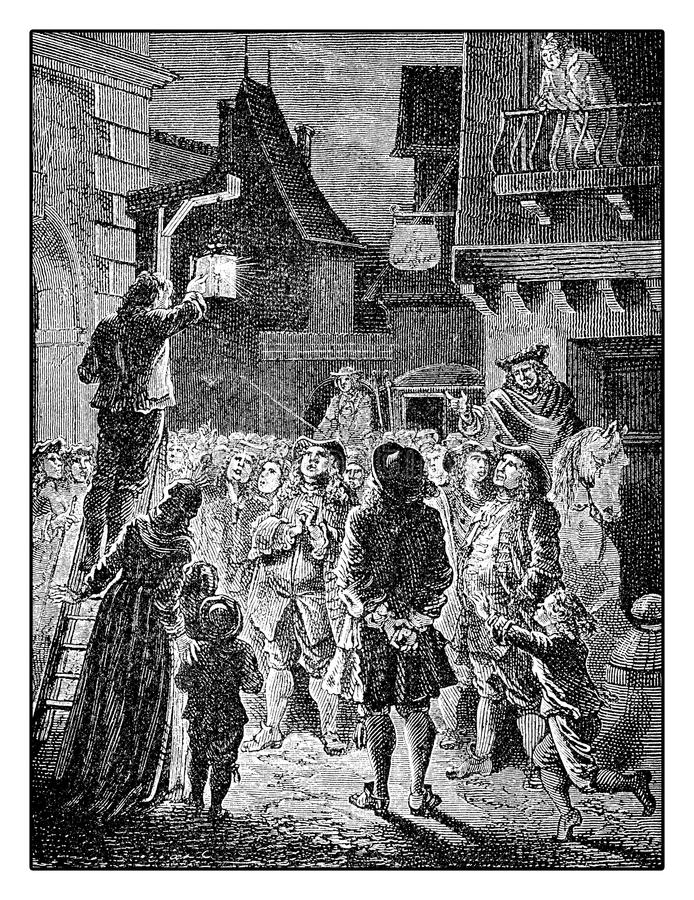
Paris – 1829 – Public Gas Light
In 1763 the first public lights appeared in Paris hanging in the middle of the streets. They were oil lamps with reflectors and wicks. Friedrich Albert Winsor first had the idea to use gas lighting. Gas extraction was industrialized and distributed by pipes. The gaslighting was white, bright, uniform and adjustable, but also toxic and dangerous. Important drawbacks were oxygen consumption, explosions and fire. So it was necessary to ventilate rooms or to isolate the combustion chamber from the lighted rooms.
Gas Light
In 1789 Thomas Edison developed the incandescent filament electric bulb light. It was a revolution. Light fixtures manufacturing began soon after. Cities and houses were all lit up. To mask the intense and brilliant electric light lampshades became very important. And also a significant sign of elegance and functionality.





















 TopoloD3xter
Devi effettuare l'accesso per postare un commento.